
Best Oral Probiotics for Bad Breath: How They Work & Top Strains
If you brush twice a day, floss regularly, and still struggle with recurring bad breath, you are not alone.
Persistent bad breath, also known as halitosis, can sometimes continue even when your daily oral hygiene routine seems perfectly adequate. One reason is that oral odor is closely connected to the complex community of microorganisms living on your tongue, teeth, gums, and other areas of the mouth.
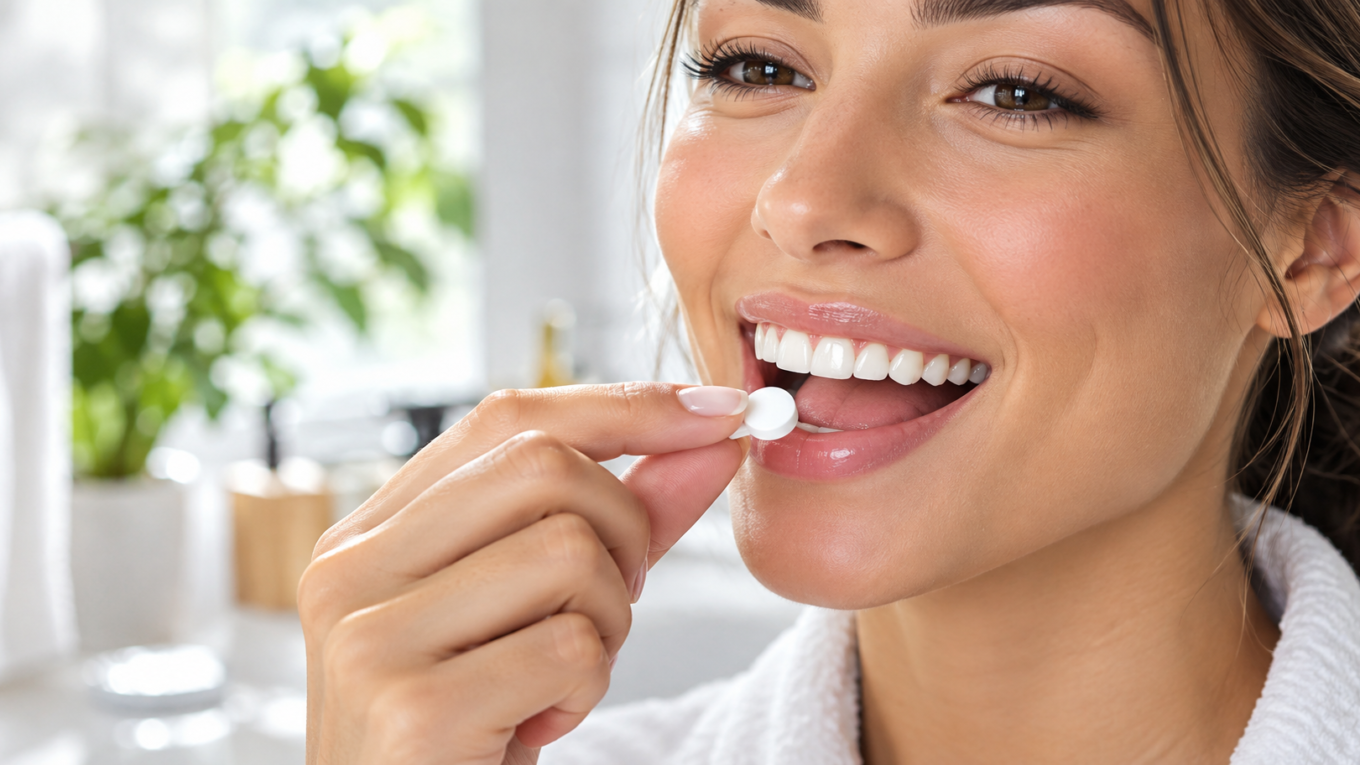
This has led to growing interest in oral probiotics for bad breath—specific beneficial bacteria designed to support a healthier oral microbiome.
Unlike products that simply provide a temporary minty sensation, oral probiotics are intended to interact with the microbial environment in the mouth.
But do they actually work? Which strains are worth looking for? And how does a product such as ProDentim fit into the picture?
Let’s take a closer look.
What Causes Chronic Bad Breath?
To understand how oral probiotics may help, it is useful to understand where bad breath comes from in the first place.
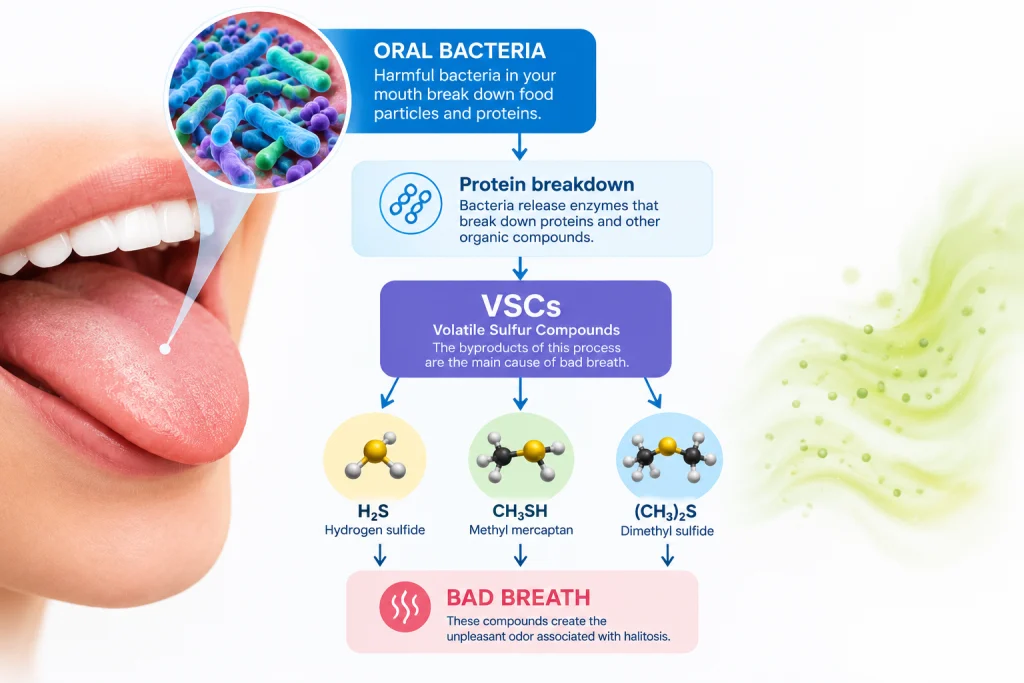
The human mouth contains hundreds of microbial species that live together in complex communities. When certain bacteria break down proteins and other organic compounds, they can produce volatile sulfur compounds (VSCs).
The most commonly discussed VSCs include:
- Hydrogen sulfide
- Methyl mercaptan
- Dimethyl sulfide
These compounds are strongly associated with the unpleasant odor characteristic of halitosis.
The tongue, particularly the posterior portion of the tongue, can provide an environment where odor-associated bacteria and their metabolic products accumulate.
Other factors can also contribute to bad breath, including tongue coating, gum disease, poor oral hygiene, dry mouth, certain foods, and other oral or medical conditions.
This is why simply masking the odor may not address everything contributing to recurring halitosis.
The Oral Microbiome and Bad Breath
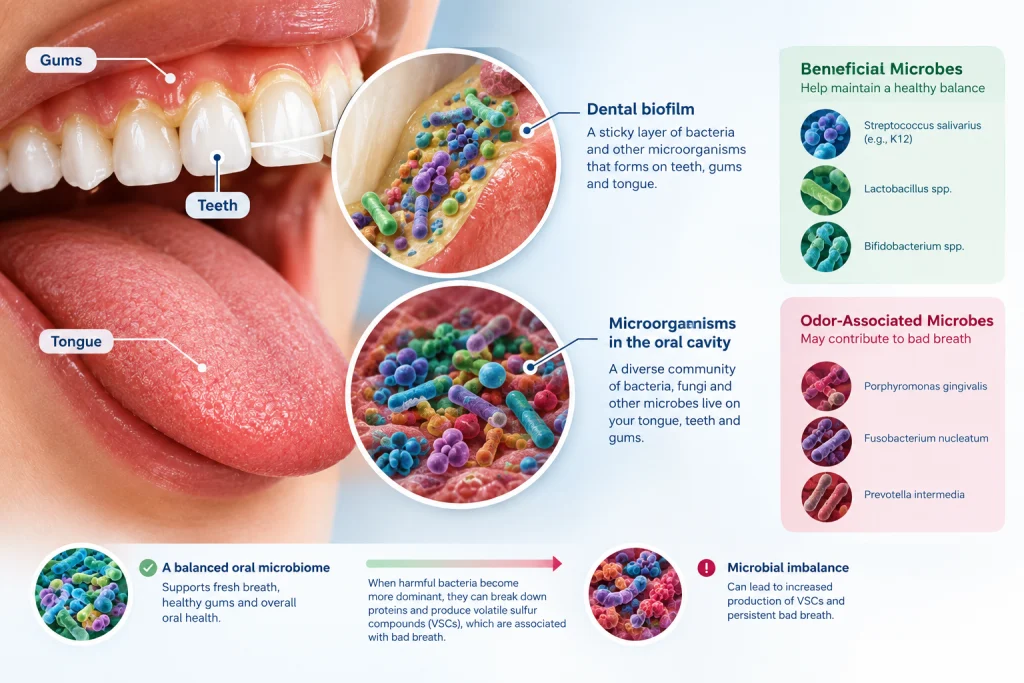
Your mouth is not supposed to be bacteria-free.
In fact, a healthy oral microbiome contains a diverse community of microorganisms that interact with one another and with the tissues of the mouth.
The goal of oral health is therefore not necessarily to eliminate bacteria, but to maintain a balanced microbial environment.
This is one reason researchers have become interested in probiotics designed specifically for oral health.
If you want to understand the underlying science in more detail, take a look at our guide on how oral probiotics work and interact with the oral microbiome:
How Do Oral Probiotics Work for Your Oral Microbiome?
Do Oral Probiotics Really Work for Bad Breath?
The evidence so far is promising, but it is important to understand what oral probiotics can—and cannot—do.
Research suggests that certain probiotic strains may help reduce factors associated with halitosis, including levels of volatile sulfur compounds.
One proposed mechanism is competitive exclusion.
Beneficial microorganisms may compete with other bacteria for nutrients and attachment sites, while some probiotic strains can also produce substances that influence the surrounding microbial community.
The result is not simply “killing bad bacteria.”
Instead, the goal is to help create an oral environment in which odor-associated microorganisms may have less opportunity to dominate.
However, probiotic effects are strain-specific. A probiotic that works in the gut is not automatically effective for the mouth, and not every oral probiotic has the same evidence behind it.
That’s why the specific strains and formulation matter.
What Are the Best Oral Probiotic Strains for Bad Breath?
When looking for an oral probiotic, one of the most important things to consider is the specific strain, rather than simply the word “probiotic” on the label.
Some of the strains that have attracted interest in oral-health research include:
Streptococcus salivarius K12
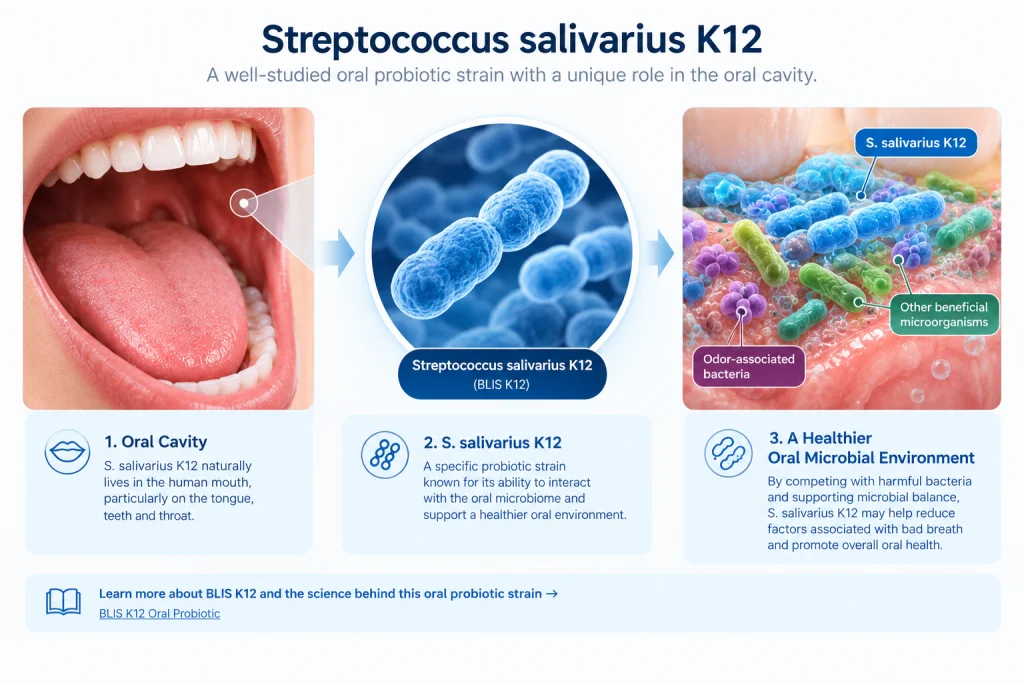
S. salivarius K12, commonly known as BLIS K12, is one of the better-known strains used in oral probiotic products.
It has been studied for its ability to interact with the microbial environment of the mouth and throat and has attracted interest for applications involving oral and upper-respiratory health.
Because of its relevance to oral microbiology, BLIS K12 has become one of the most recognizable names in the oral probiotic category.
For a deeper look at this strain and the science surrounding it, see our dedicated guide:
BLIS K12 Oral Probiotic: What the Science Says
Lactobacillus reuteri
Lactobacillus reuteri is another probiotic species that has been investigated in oral health.
Research involving L. reuteri has explored areas such as the oral microbiome, periodontal health, and interactions with oral microorganisms.
Its potential role is particularly interesting because oral health involves much more than bad breath alone.
Other Lactobacillus and Bifidobacterium Strains
Other probiotic microorganisms, including certain Lactobacillus and Bifidobacterium strains, have also been investigated for their potential effects on oral health.
However, it is important not to assume that every strain within a particular genus will produce the same effect.
Probiotic benefits are strain-specific.
That means a product should ideally identify the actual strains it contains rather than simply listing broad categories such as “Lactobacillus” or “Bifidobacterium.”
Why the Delivery Method Matters
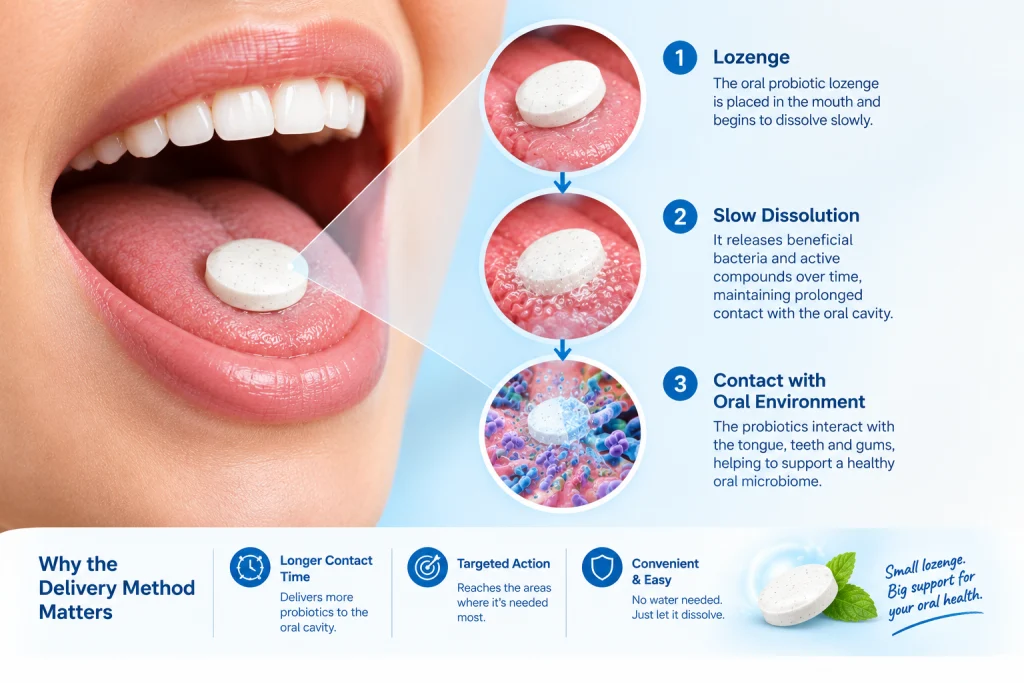
Another important consideration is how the probiotic is delivered.
A conventional probiotic capsule is primarily designed to deliver microorganisms to the gastrointestinal tract.
An oral probiotic, on the other hand, is intended to interact directly with the environment inside the mouth.
That’s why products designed as lozenges, chewable tablets, or other slowly dissolving formats may be particularly interesting for oral-health applications.
The longer the product remains in contact with the oral environment, the greater the opportunity for the microorganisms and other ingredients to interact with the tongue and oral tissues.
This doesn’t mean that swallowing a probiotic capsule can never have an effect on oral health. Rather, the delivery format is one factor to consider when choosing a product specifically intended for the oral microbiome.
What Should You Look for in an Oral Probiotic?
If you’re considering an oral probiotic for bad breath, don’t choose a product simply because it says “probiotic” on the packaging.
Instead, look for:
1. Clearly identified strains
A quality product should identify the specific microorganisms it contains.
2. A formulation designed for oral use
Lozenges and chewable formats may provide more direct contact with the oral environment.
3. Evidence behind the individual strains
The presence of a probiotic strain does not automatically mean that the finished product has been clinically proven to eliminate halitosis.
4. Transparent ingredients
You should be able to see exactly what the product contains and understand how it is intended to be used.
5. A realistic approach to oral health
Oral probiotics should complement—not replace—fundamental dental care such as brushing, flossing, tongue cleaning, and regular dental examinations.
ProDentim: A Convenient Approach to Oral Probiotics
If you’re specifically looking for a convenient chewable oral probiotic, ProDentim is one product worth examining.
Rather than taking a conventional probiotic capsule intended primarily for digestive health, ProDentim is formulated as a chewable oral-health supplement, designed to be used as part of a daily routine.
The concept is straightforward: provide selected probiotic ingredients in a format that allows them to spend more time in the oral environment.
This makes ProDentim particularly relevant for people who are interested in the connection between oral probiotics, the oral microbiome, and fresher breath.
But there is an important question:
Does the formula actually live up to the marketing?
That’s where it makes sense to look beyond advertising claims and examine the ingredients and formulation more closely.
Is ProDentim Worth Trying?
ProDentim may be interesting for people who want to explore an oral-probiotic approach to their daily oral-care routine.
However, no probiotic should be viewed as a guaranteed cure for chronic halitosis.
Persistent bad breath can have multiple causes, and someone experiencing ongoing halitosis should consider speaking with a dentist to rule out issues such as gum disease, dental infections, significant tongue coating, or dry mouth.
If you’re interested in ProDentim specifically, we’ve taken a closer look at the product, its formulation, ingredients, potential benefits, and important considerations in our full review.
Read our complete ProDentim Review
ProDentim Review 2026: Does It Really Work? Our Honest Take
The Bottom Line
Bad breath is more complicated than simply having “too many bad bacteria” in your mouth.
The oral microbiome is a complex ecosystem, and volatile sulfur compounds produced by certain microorganisms are an important part of the halitosis equation.
This is why oral probiotics for bad breath have attracted increasing interest.
Specific strains such as Streptococcus salivarius K12 and certain Lactobacillus species have been investigated for their potential role in supporting oral microbial balance. However, results can vary depending on the strain, formulation, dosage, and individual.
For someone interested in adding an oral probiotic to their daily routine, the most important step is choosing a product with clearly identified ingredients and a formulation designed for oral use.
ProDentim is one option to consider, particularly if you prefer a convenient chewable format.
Before making a decision, however, take a closer look at the actual formula and the evidence behind its ingredients.
Read the Full ProDentim Review →
4 thoughts on “Best Oral Probiotics for Bad Breath: How They Work & Top Strains”